
Peppermint Tea: A Refreshing Path to Wellness

Introduction:

Peppermint tea, made from the leaves of the Mentha piperita plant, is a beloved herbal beverage known for its refreshing flavor and numerous health benefits. This aromatic tea has been valued in traditional medicine for centuries and continues to be a popular choice in the realm of natural health for its digestive, mental, and respiratory benefits. This article explores the therapeutic properties of peppermint tea, supported by scientific research, and how it can be integrated into a holistic wellness practice.

What is Peppermint Tea?

Peppermint tea is an herbal infusion made from the dried leaves of the peppermint plant. It is caffeine-free and known for its cooling, minty taste, which comes from the menthol content in the leaves. Peppermint has been used in various cultural medicine practices to treat a wide range of ailments.

Health Benefits of Peppermint Tea

  • Digestive Health: Peppermint tea is widely recognized for its ability to alleviate symptoms of indigestion, bloating, and gas. It relaxes the digestive tract muscles, aiding in the relief of gastrointestinal discomfort.
  • Relieves Headaches: The menthol in peppermint tea can help relieve headaches, including migraines, by relaxing the muscles and easing pain.
  • Reduces Stress and Anxiety: The natural sedative and antispasmodic properties of peppermint tea can help reduce stress and improve mental clarity.
  • Respiratory Relief: It acts as an expectorant, helping to clear the sinuses and relieve symptoms of colds, such as coughing and throat irritation.
  • Antimicrobial Properties: Peppermint tea has antimicrobial and antiviral qualities, which can help fight off infections and boost the immune system.

Incorporating Peppermint Tea into Your Routine

  • Brewing the Perfect Cup: Infuse 1-2 teaspoons of dried peppermint leaves in hot water for 5-10 minutes. Adjust the quantity and steeping time to taste.
  • Daily Consumption: Drinking 1-3 cups of peppermint tea daily can maximize its health benefits, especially for digestive wellness and stress relief.
  • Combination with Other Herbs: Peppermint tea blends well with other herbal teas like chamomile or ginger, enhancing its flavor and therapeutic benefits.

Safety and Considerations

Peppermint tea is safe for most people, but some individuals may experience heartburn or allergic reactions, especially those with a sensitivity to menthol. Pregnant and breastfeeding women should consult with a healthcare provider before consuming large amounts of peppermint tea.

Conclusion:

Peppermint tea is more than just a refreshing beverage; it’s a powerful herbal remedy with a wide range of health benefits. Whether used to aid digestion, relieve stress, combat headaches, or support respiratory health, peppermint tea is a valuable addition to a natural wellness regimen, offering a soothing and therapeutic solution to many common health issues.
Hibiscus Tea: A Floral Elixir for Health and Wellness

Introduction:

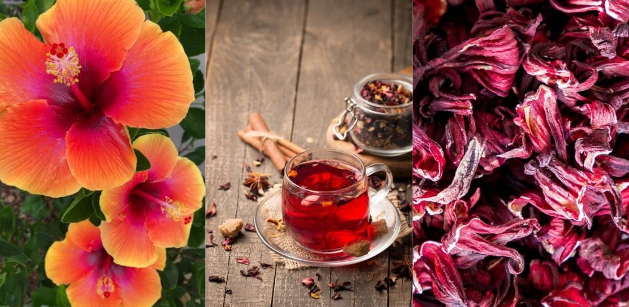
Hibiscus tea, brewed from the vibrant flowers of the Hibiscus sabdariffa plant, is not only a visually stunning and delicious beverage but also a powerhouse of health benefits. Traditionally used in various cultures around the world for its medicinal properties, hibiscus tea has gained popularity in the natural health community for its ability to support cardiovascular health, manage blood pressure, and offer antioxidant protection. This article delves into the benefits of hibiscus tea and how to incorporate it into your daily wellness routine.

What is Hibiscus Tea?

Hibiscus tea is made from the dried, colorful calyces of the hibiscus plant. It is known for its deep red color and tart, cranberry-like flavor. The tea is rich in vitamin C, minerals, and antioxidants, including anthocyanins, which contribute to its health-promoting properties.

Health Benefits of Hibiscus Tea

  • Cardiovascular Health: Hibiscus tea is well-researched for its ability to lower high blood pressure and reduce blood lipid levels, aiding in the prevention of heart disease.
  • Antioxidant Properties: The high levels of antioxidants in hibiscus tea help combat oxidative stress and may reduce the risk of chronic diseases such as cancer.
  • Weight Management: Hibiscus tea can support weight loss efforts by promoting the metabolism and aiding in the reduction of body fat.
  • Liver Health: Studies suggest that hibiscus may protect the liver and enhance its function by reducing liver fat and liver enzyme levels.
  • Immune Boosting: The vitamin C and other immune-enhancing nutrients in hibiscus tea can help strengthen the body’s defense against infections.

Preparing and Enjoying Hibiscus Tea

  • Hot Brew: Steep dried hibiscus flowers in hot water for 5-10 minutes, strain, and enjoy hot or cold.
  • Cold Brew: For a refreshing drink, steep hibiscus in cold water for several hours or overnight in the refrigerator.
  • Flavor Enhancements: Hibiscus tea pairs well with sweeteners like honey or stevia, and spices such as cinnamon or ginger, to balance its tartness.

Safety and Considerations

Hibiscus tea is generally safe for most people, but due to its potent effects, it should be consumed in moderation. Pregnant and breastfeeding women should avoid hibiscus tea, as it may affect hormone levels. Those taking medication for hypertension or diabetes should consult with a healthcare provider, as hibiscus can affect blood pressure and blood sugar levels.

Conclusion:

Hibiscus tea is a flavorful and therapeutic beverage that offers numerous health benefits, from supporting cardiovascular health to aiding in weight management. With its vibrant color, unique taste, and health-promoting properties, hibiscus tea is a delightful addition to a holistic health regimen, providing a natural and enjoyable way to enhance well-being.

Ginger Tea: A Spicy Brew for Health and Vitality

Introduction:

Ginger tea, made from the root of the Zingiber officinale plant, is a warming, spicy beverage known for its potent medicinal properties. With a long history in traditional medicine, especially in Ayurvedic and Chinese practices, ginger tea has been used to treat a variety of ailments, from digestive issues to inflammatory conditions. This article will explore the health benefits of ginger tea, how to prepare it, and the best ways to incorporate it into your wellness routine.

What is Ginger Tea?

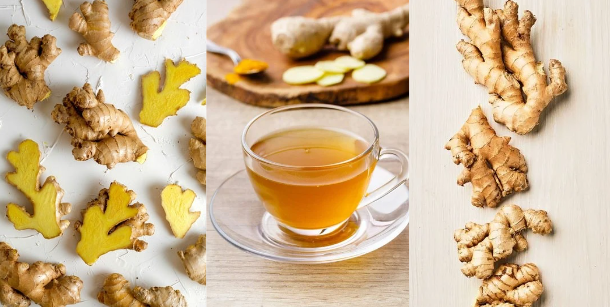
Ginger tea is prepared by steeping sliced or grated fresh ginger root in hot water. This process extracts the active ingredients, such as gingerol and shogaol, which are responsible for ginger’s characteristic flavor and health benefits.

Health Benefits of Ginger Tea

  • Digestive Health: Ginger tea is renowned for its ability to soothe digestive discomfort, alleviate nausea, and promote healthy digestion.
  • Anti-Inflammatory Effects: The compounds in ginger have strong anti-inflammatory properties, making ginger tea a great choice for reducing pain and swelling in conditions like arthritis.
  • Immune Support: With its antibacterial and antiviral qualities, ginger tea can help strengthen the immune system and ward off colds and flu.
  • Cardiovascular Health: Ginger can improve blood circulation and lower cholesterol levels, contributing to better heart health.
  • Relieves Menstrual Discomfort: Drinking ginger tea can alleviate menstrual pain and cramps due to its analgesic and anti-inflammatory effects.

Preparing and Enjoying Ginger Tea

  • Basic Preparation: Simmer fresh ginger slices in water for 10-15 minutes, then strain and enjoy. You can add honey, lemon, or mint for extra flavor.
  • Frequency: Drinking 1-3 cups of ginger tea daily can help maximize its health benefits, especially for digestive relief and immune support.
  • Cold Brew: For a refreshing twist, ginger tea can be prepared in cold water and left to steep overnight, then served chilled.

Safety and Considerations

Ginger tea is generally safe for most people, but consuming large amounts may lead to mild side effects like heartburn, gas, or upset stomach. Those with gallstone disease, bleeding disorders, or on blood-thinning medication should consult a healthcare provider before increasing ginger intake.

Conclusion:

Ginger tea is a flavorful and healthful beverage with a wide range of therapeutic benefits. Its ease of preparation and versatile nature makes it a valuable addition to any natural health regimen. Whether used for digestive health, immune support, or pain relief, ginger tea provides a natural and effective solution to improve wellness and vitality.

Chamomile Tea: A Gentle Giant in Herbal Remedies

Introduction:

Chamomile tea, made from the dried flowers of the Matricaria chamomilla plant, has been a staple in natural medicine for centuries, cherished for its mild flavor and powerful health benefits. This herbal infusion is renowned for its calming effects and its ability to treat a wide array of physical and mental health issues. This article will delve into the benefits of chamomile tea, supported by scientific research, and how it can be incorporated into a holistic health regimen.

What is Chamomile Tea?

Chamomile tea comes from the chamomile plant, which belongs to the Asteraceae family. It has been used traditionally in various cultures for its anti-inflammatory, antispasmodic, and sedative properties. The active compounds in chamomile, such as bisabolol, apigenin, and matricin, contribute to its therapeutic effects.

Health Benefits of Chamomile Tea

  • Promotes Sleep and Relaxation: Chamomile tea is best known for its ability to promote a sense of calm and improve sleep quality, making it a popular choice for those experiencing insomnia or stress.
  • Digestive Health: It can soothe digestive ailments, including gas, indigestion, and nausea, and is often used to treat stomach ulcers and gastrointestinal inflammation.
  • Immune Boosting: With natural antibacterial properties, chamomile tea can enhance the immune system and fend off common colds and infections.
  • Skin Care: Applied topically, chamomile tea can alleviate skin irritations, such as eczema, acne, and wounds, due to its anti-inflammatory and antimicrobial qualities.
  • Cardiovascular Health: The antioxidants in chamomile tea may contribute to heart health by lowering blood pressure and improving cholesterol levels.

Incorporating Chamomile Tea into Your Routine

  • Brewing the Perfect Cup: Steep dried chamomile flowers in hot water for 5-10 minutes to extract their full flavor and benefits.
  • Regular Consumption: Drinking 1-2 cups of chamomile tea daily can help maintain its health benefits, especially for stress reduction and sleep improvement.
  • Topical Application: For skin treatment, cool chamomile tea can be applied directly to the affected area with a cloth or used as a wash.

Safety and Considerations

Chamomile tea is generally safe for most people, but some may experience allergic reactions, especially those allergic to plants in the Asteraceae family. Pregnant and breastfeeding women should consult a healthcare provider before consuming chamomile tea, as it can influence hormone levels and uterine contractions.

Conclusion:

Chamomile tea is a gentle yet powerful herbal remedy with a plethora of health benefits, from promoting relaxation and sleep to supporting digestive and cardiovascular health. Its ease of use and mild flavor make it an excellent addition to any natural health practice, offering a simple yet effective way to enhance well-being.